Skip Hire in Willesden for straightforward waste removal
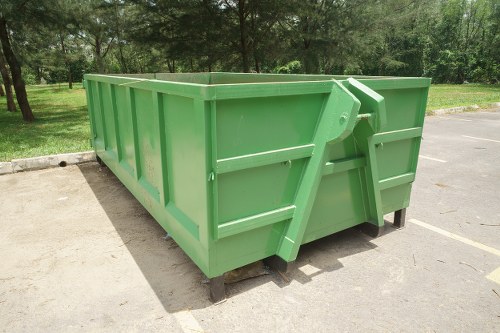
Skip hire in Willesden should feel simple from the first enquiry to the final collection. Our service is built around providing a suitable skip for domestic, commercial and building waste, with clear size choices and a practical approach to loading, placement and collection. Whether you are clearing a property, managing renovation waste or dealing with ongoing site rubbish, the aim is to give you a tidy way to contain material and keep the job moving.
We supply skip hire for common waste streams that arise during household clearances, refurbishments, garden work and construction tasks. The right skip can reduce repeated trips to a tip, keep access routes clearer and help separate general mixed waste from heavier inert material where needed. Choosing the correct size matters, because an undersized skip can delay the job while an oversized one may be unnecessary. If you need help deciding, ask for a quotation and we will guide you toward a practical option.
For projects that create different waste types, we can talk through the most suitable service route before you book. Some customers only need a short placement period, while others benefit from a fuller plan that covers delivery, loading and collection in a way that fits the pace of the work. Clear requirements make the process easier, so it helps to know what sort of material you have, where the skip may be placed and whether access is limited. If you are ready, request a quote today.
Skip sizes, placement and booking choices
Skip hire is not only about choosing a container; it is also about matching the container to the site and the waste. Smaller skips can suit lighter household clearances and minor jobs, while larger options are often chosen for building works, repeated loads or mixed waste from bigger projects. We provide a practical service that helps customers choose with confidence, rather than simply selecting the largest skip available.
Placement matters just as much as capacity. A skip needs enough space for delivery and collection, and the surface should be considered in advance so the container can sit safely and sensibly. If access is tight, the load is awkward or the materials are being moved from an upper floor, it may be worth reviewing alternatives such as wait and load skip hire or another collection method. These options can suit sites where leaving a skip in place is less convenient.
When booking, it is helpful to think about the kind of waste you will produce over the full duration of the job. A skip used for mixed home waste behaves differently from one filled with soil, rubble or renovation offcuts, so a short discussion at the start can save complications later. You do not need to have every detail finalised, but a sensible outline of the work usually leads to a better fit and a smoother collection process.
Domestic waste, clearances and renovation jobs

For homes in Willesden, skip hire is often used for projects that create more waste than the weekly bin service can handle. That may include decluttering a loft, replacing kitchen units, stripping out old fittings or clearing away packaging, broken household items and minor mixed rubbish. The service is intended to keep the work area manageable and give you one place to gather material until collection day.
Domestic projects often produce waste in stages, rather than all at once. A skip can support that rhythm by giving you a central point for bags, offcuts, old fixtures and unwanted contents. If you are comparing service options, our domestic skip hire page is a useful place to understand the sort of residential work this service supports. For homes with larger volumes of general unwanted items, we can also discuss whether a different collection route would be more efficient.
Some jobs need more than a simple drop-off and collection. A house being prepared for sale, for example, may need a better-timed arrangement than a one-off tidy-up, while a renovation might create several waste peaks over the life of the project. In those cases, it helps to plan the timing around access, labour and likely waste volumes. A brief description of the work is usually enough to begin the conversation, and then we can suggest the most appropriate service.
Builders’ waste and construction clearances
Building work usually generates bulky, heavy or awkward material, and that is where a dedicated skip hire arrangement becomes especially useful. Bricks, broken blocks, plaster, timber, packaging and mixed site debris all need somewhere orderly to go. Our builders skip hire service is suited to renovation, extension and small-to-medium construction jobs where waste is produced steadily and needs to be kept under control.
Construction waste can vary a great deal from one stage to another. Demolition produces denser material, strip-out work creates mixed debris, and finishing trades may leave lighter but still bulky waste. For broader project waste, you may also want to review construction waste disposal and construction waste clearance, which support a clearer approach when the material changes during the job. These pages help explain how the service range fits different stages of building work.
If the task includes heavier mineral waste, it is important to keep loads sensible and to avoid mixing incompatible materials. Good site practice makes loading safer and collection more straightforward. We can help you consider whether the work is best served by one skip, a series of collections or a separate waste plan. The most efficient option is usually the one that matches both the waste profile and the access available on site.
Commercial projects, offices and ongoing premises work

Businesses in Willesden may need skip hire for refits, reorganisations, clear-outs or routine maintenance projects. Commercial premises can produce cardboard, shelving, redundant stock, old fixtures and general rubbish that quickly becomes disruptive if it is left unmanaged. Our service gives companies a practical way to gather waste in one place, especially when work is being done alongside staff, visitors or customers.
Different commercial settings create different demands. An office move may need mixed clearance support, while a retail alteration may involve packaging and display materials, and a site-based business may need a more regular arrangement. If you want to compare related options, the commercial skip hire page and the office clearance page are both relevant starting points. For some workplaces, a combination of clearance and skip hire can be the most practical solution.
Where waste needs to be removed without interrupting daily operations, timing and placement become especially important. Access for staff, delivery vehicles and customers should stay as clear as possible, and the right skip size can reduce unnecessary disruption. Planning around business activity often matters more than the waste itself, because a straightforward removal arrangement can prevent avoidable delays. If the premises are busy, let us know the constraints and we can help shape the booking accordingly.
Specialist clearances for particular waste types
Not every job fits into a general mixed-waste pattern. Some projects involve distinct waste streams that need a more focused service, such as garage items, garden debris, appliances or heavy contents from a full property clearance. In these cases, a named service can help the customer choose the most suitable approach before any loading begins. That makes the process clearer and can reduce wasted effort on the day.
For example, if the work is centred on outside spaces, our garden waste removal service may be more relevant than a general skip. Likewise, a full clearance might benefit from garage and loft clearance or house clearance, depending on the scale of the task and the type of material involved. These services help when the priority is removing contents efficiently rather than managing a load over several days.
Where the waste is bulky or difficult to move, it is worth considering how the items will be lifted and sorted before collection. Fridges, mattresses, sofas and similar items may need separate handling from standard mixed rubbish, and that should be reflected in the chosen service. By matching the task to the right waste route, you can avoid overcomplicating the job and keep the collection plan focused on what actually needs removing.
Site work, grab lorry options and heavier material

Some projects in and around Willesden create waste that is better handled by a different collection method from a conventional skip. Heavier loads, awkward access, or rapid removal needs may point toward grab lorry hire or similar bulk waste solutions. These services are often chosen for material that is difficult to move manually over a long period, especially when the job produces a substantial pile at one time.
If you want to compare methods, our grab hire services and grab lorry hire pages explain the broader approach to removing loose material efficiently. For work involving soil, hardcore or mixed spoil, muck away services may also be relevant. These options can suit sites where loading directly into a vehicle is more convenient than keeping a skip on the premises.
For clearances after demolition, strip-out or structural alterations, waste can build up quickly and include dense pieces that are awkward to sort manually. A suitable collection plan should take account of the weight, volume and consistency of the waste, not just how much space it fills. If you are unsure which route is best, describe the material plainly and we can talk through the most appropriate choice.
What affects the quotation and how to prepare
Quotation factors are usually straightforward once the work is described clearly. The main influences are the likely volume of waste, the type of material, the skip size or service method, the length of hire and the ease of access for delivery and collection. If the job involves restricted space, awkward loading or a need for a timed collection, those details can also shape the final arrangement. Clear information at the start helps produce a more accurate quotation.
It is useful to have a rough idea of the main waste categories before you ask for a quote. A simple list of the items, a note about access and an indication of whether the work is domestic, commercial or building-related is often enough to begin. If the task is ongoing rather than one-off, mention that too, as staged waste generation can change what works best. You can request a quotation now and we will help refine the details.
If you are comparing services or scheduling around a wider project, it can also help to review relevant information in advance rather than making assumptions. That might include whether a skip permit is likely to be needed, what can go inside the chosen container, or whether a different removal method better suits the material. A little preparation often leads to a cleaner, simpler booking. Ask for a quote when you are ready and we will take it from there.
Waste sorting, recycling and what can go in a skip
Good skip hire is not only about removal; it is also about responsible handling of the waste once it has been collected. Mixed loads usually need sensible sorting downstream so that reusable or recyclable material can be separated where practical. Our waste recycling services and recycling and sustainability pages provide useful context for customers who want to understand the broader disposal route.
Before loading, it is sensible to check what the container can accept and whether certain items must be kept out. That is particularly important for items like electricals, liquids, chemicals and other restricted waste. For a clearer guide, see what can go in a skip, which helps with day-to-day decisions about loading. A quick check at the start can prevent complications later and keep the load compliant with the chosen service.
Where the waste includes specialist items, it may be better to arrange a dedicated collection rather than adding them to a general load. For example, hazardous waste disposal covers material that should not be treated like ordinary mixed rubbish, and fridge and appliance removal is more suitable for certain bulky household items. Choosing the right route improves both safety and efficiency, especially when the waste is not straightforward.
About Willesden
Willesden is an area in northwest London within the London Borough of Brent, historically associated with a village core that grew into a suburban district as the capital expanded. The name appears in records long before the modern urban landscape took shape, and the area later developed around transport connections that encouraged housing, local shopping streets and denser residential growth. Today, Willesden is closely linked with neighbouring parts of Brent and the wider north-western London pattern of streets, parks and interwar housing. Willesden Green is often the best-known focal point, while other nearby districts give the area a varied local character.
The area contains a mix of built forms that reflect different periods of development. Earlier villas and terraces sit alongside later suburban streets and larger-scale twentieth-century housing, creating a patchwork rather than a single uniform centre. Local movement is shaped by roads and rail links, with Willesden Green and Dollis Hill stations serving parts of the district and helping connect it to central London. The neighbourhood also has a notable religious and cultural layer, including the Neasden Temple nearby, which is one of the best-known landmarks associated with the wider area. Public open space is another important feature: Gladstone Park lies to the west, while smaller parks and playing fields add green relief within the urban setting.
Residential, trade and larger-scale waste needs
Different projects create different waste rhythms, and that is why a single skip format does not suit every job. A household clear-out may produce light mixed material and a few bulky items, while a trade job can involve repeated loads of timber, packaging and broken offcuts. We keep the service practical by focusing on what needs removing, how quickly it is likely to accumulate and where it needs to be taken from.
For customers who want a quick overview of sizes and indicative options, the skip sizes and prices page is a useful starting point. If access is restricted or the skip must be placed with more care, you can also review skip permits and skip hire permits to understand the general considerations. These pages do not replace tailored advice, but they do help make the booking process more informed.
Some properties and sites work better with enclosed or lockable containers, especially where material needs to be kept contained or protected from weather and interference. In those cases, enclosed and lockable skip hire may be more suitable than an open skip. The best choice depends on the type of waste, the space available and the overall site plan. If you are unsure, ask for guidance and we will point you toward a sensible option.
Request a quotation for skip hire in Willesden
If you need skip hire in Willesden for domestic, commercial or building waste, the next step is simple: tell us what kind of job you are planning and how the waste is likely to be produced. We can discuss the most suitable service, explain the likely booking considerations and help you choose a practical size or collection method. The aim is to make the process clear without overcomplicating it.
For more specialist tasks, we can also help you compare related services such as site clearance, demolition waste removal, rubbish removal or other waste routes where they fit the brief. If you already know the container or collection type you need, that is helpful; if not, a short description of the job is enough to begin. Site clearance may be useful where the work involves a broader mix of debris, while demolition waste removal supports heavier strip-out work.
Ready to move ahead? Request a quotation today and we will help you arrange a suitable skip hire service in Willesden. If you have a deadline, access issue or a particular waste type to manage, mention it when you enquire so the quote reflects the job properly. A clear brief makes it easier to choose the right solution and proceed with confidence.